
The Pathway Crisis: A World Closing In
Pathways to safety are increasingly disappearing for LGBTQI+ people around the world.
In 2025, for example, Germany implemented significant changes that contributed to the gradual erosion of the asylum system and ran counter to the spirit of The 1951 Refugee Convention. Increasingly restrictive refugee policy changes by several countries are expected to lead to substantial reductions in new asylum applications. For further information, see the Rainbow Railroad, 2025 Annual Report.

Signing of the UNHCR Declaration. © Arni / UN Archives
There is another disturbing trend that seriously affects LGBTQI+ people seeking pathways to safety: the “offshoring” of refugees.
The Netherlands and Uganda made one such deal, under which the Dutch government will send asylum claimants to Uganda. Other European countries such as Denmark and Italy have implemented offshoring policies. Australia is proposing a deep cut of 6,250 places to its Refugee and Humanitarian Program. It is also still sending some refugees to a concentration camp in the Republic of Naoero (formerly known as Nauru), a tiny island nation in the central Pacific Ocean.
In an earlier posting, we told you about the Canadian government’s decision to let in only 16,000 refugees in 2026, half of last year's target. Doors are shutting around the world. Many countries are making refugee status temporary, limiting the number of safe pathways, and legislating fast-track removals.
These punitive measures are hurting forcibly displaced people around the world.
LGBTQ refugees in particular are at high risk. In Africa and Asia, they are left with few prospects for a safe and legal way out of appalling circumstances, where many face the serious risk of forced return to persecution. One example of this: you may have heard of the thousands of Afghani refugees, many of them queer, who are being hunted down by the Pakistani police, forcibly detained, and then tossed back over the border to face a grim fate.
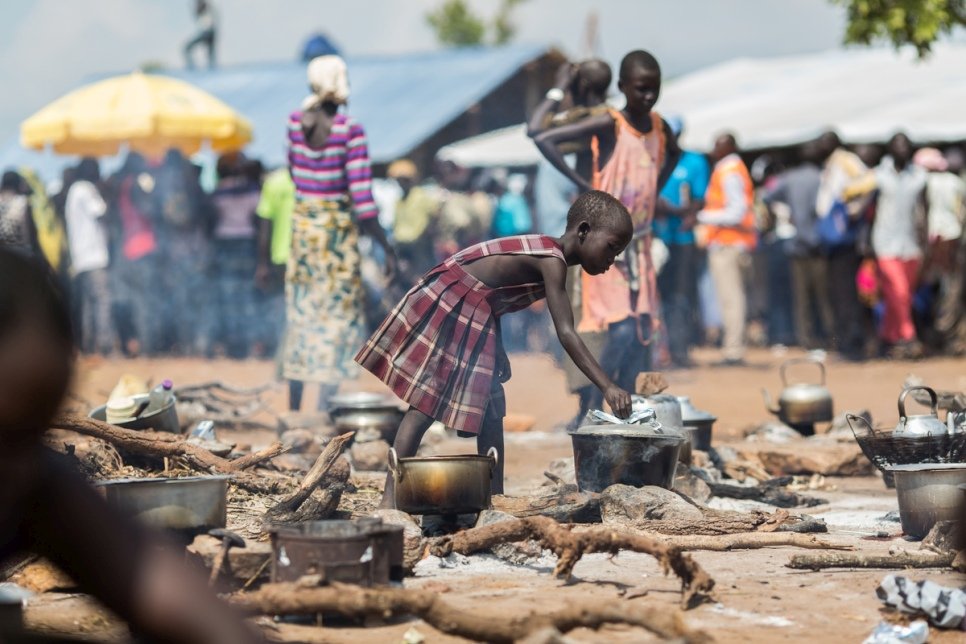
A young refugee from South Sudan cooks food at the reception centre in the newly established Pagarinya 2 camp in Adjumani District, in northern Uganda. © UNHCR/Will Swanson
Routes to safety are becoming extremely difficult to map. ROAR is currently supporting four LGBTQ refugees in a dangerous South Sudan camp. They do not know when or if the Canadian government will lift its suspension of all immigration procedures in African countries affected by the current Ebola epidemic, including the Democratic Republic of the Congo, Uganda and South Sudan. Ottawa's "temporary measures" are due to end as of August 29, 2026.
You can review the government’s official web page directly at Ebola Temporary Measures.